Built In Our Lab
Active production shelving at Subculture Laboratories

Hoodflow
Plant tissue culture lab management
Hoodflow is built around batch-first inventory tracking for in vitro and ex vitro plants. It scales to your lab. You keep shelf and section location, batch IDs, vessel types, dates, notes, and extensive logging in one record, with unique vessel tracking when you need more granularity. That significantly reduces relabeling overhead while keeping subcultures, planning, traceability, projects, and sales tied to the same operating history.
We built this tool to leverage expertise in plant tissue culture and aseptic technique by automating the attention-heavy work required to track vessel churn and collect the data needed to understand trends.
Built In Our Lab
Active production shelving at Subculture Laboratories
Product Features
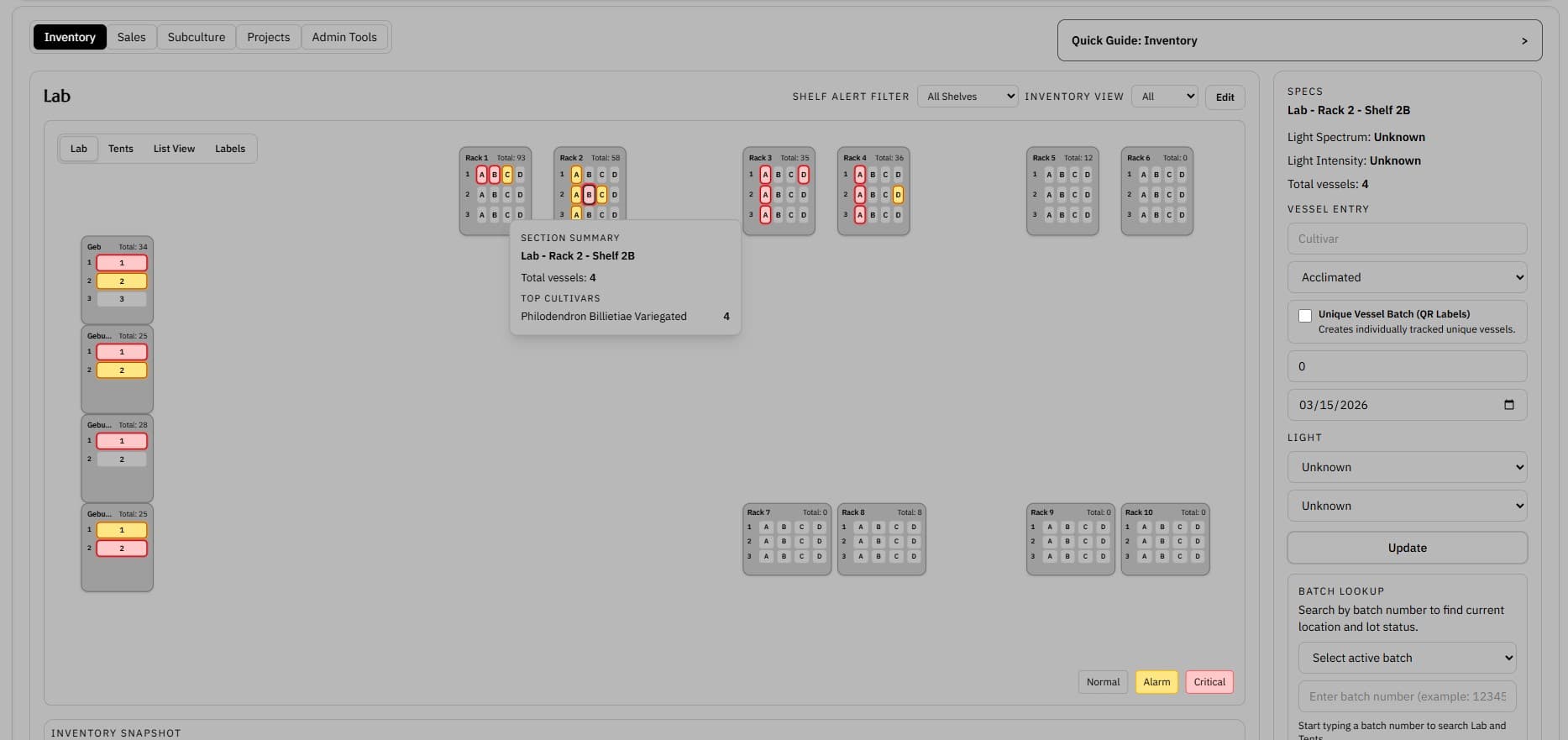
Lab Layout
A visual rack-and-section layout shows where material sits, where alerts are concentrated, and what needs attention first.
Why This Matters
Shelf context is operational context. The layout view makes it easier to see where batches actually live before technicians decide what to move, review, or touch next.
Why Labs Choose Hoodflow
Hoodflow is actively being shaped by the constraints our lab deals with every day: bench time, vessel turnover, shelf context, media prep, and downstream handoffs. We are building it first to streamline the workflows we rely on every day.
The inventory model is batch-first for in vitro and ex vitro plants. Shelf location, section, batch IDs, vessel types, dates, notes, and extensive logging stay together, with unique vessel tracking when you need more detail.
Subculture timing is tracked by batch with add, remove, move, acclimate, sell, postpone, and mark-subcultured actions. Media demand gets automatically calculated from active in vitro vessels and the pre-subculture review audit feature allows technicians to pinpoint how much media is required week by week.
Where we went further than most plant trackers was intentional: pesticide scheduling with inline chemical safety PDFs, a protocol library with citation links, lineage lifecycle views, project tracking with updates and vessel linkage, and live Etsy and Squarespace inventory sync.
Timing pressure becomes easier to manage when overdue work, review accuracy, and projected demand stay visible in the same operating system instead of being reconstructed from memory.
Workflow
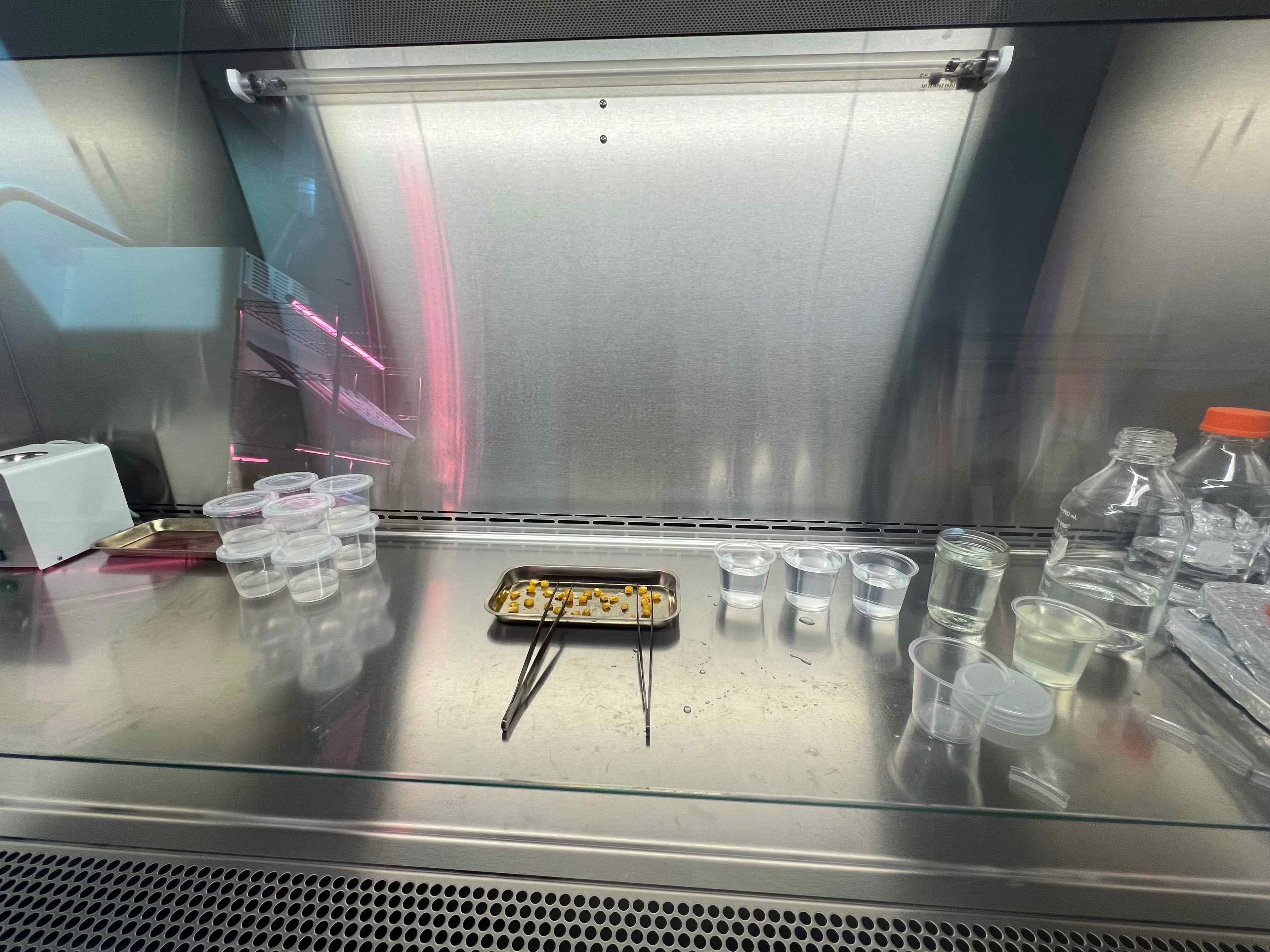
Sterile prep starts the cycle. Division, transfer tools, and vessel setup happen in the hood before the batch moves forward.
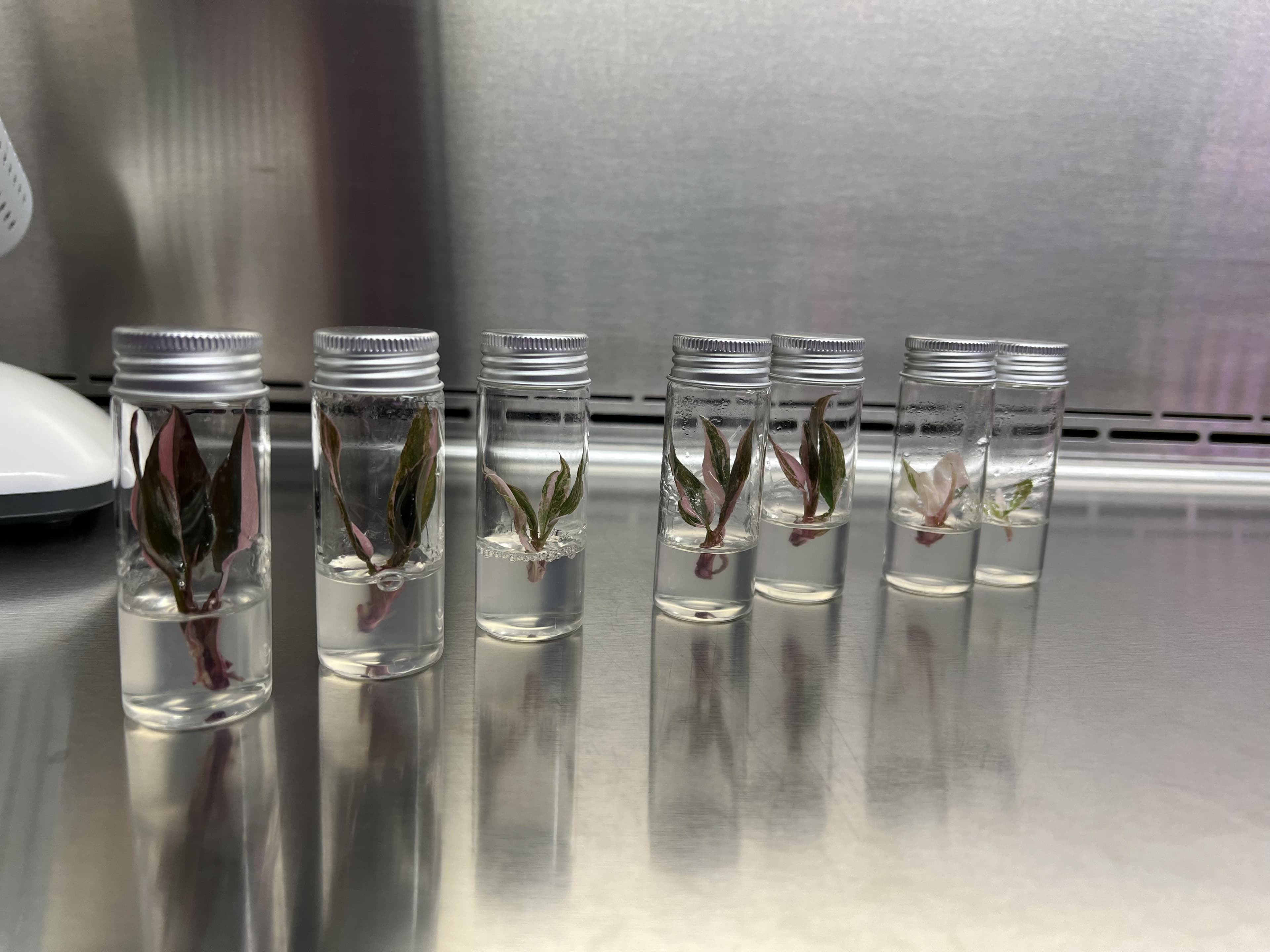
Fresh vessels inherit the batch context so propagation can restart without rebuilding the record or labeling every jar.
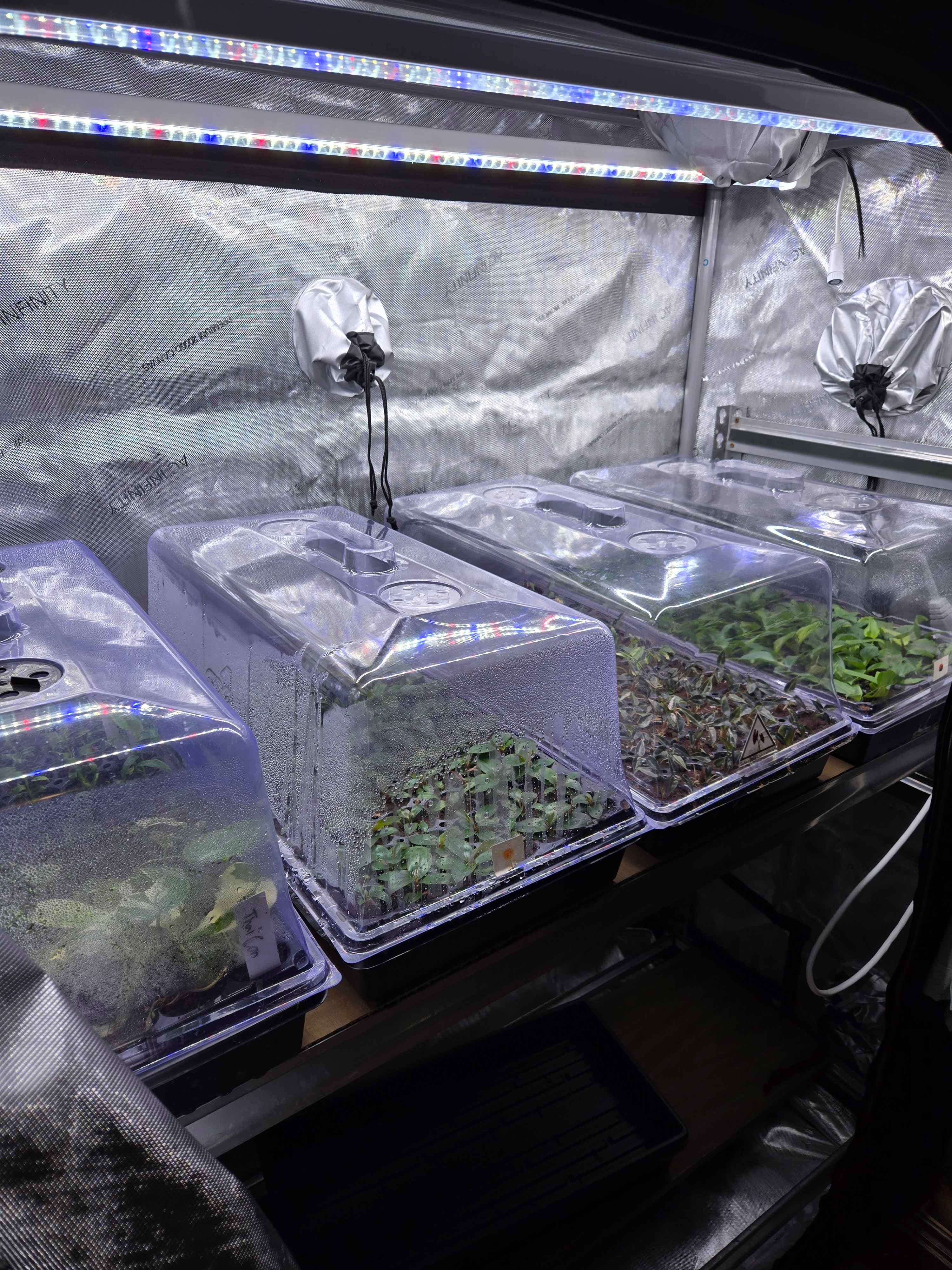
Young plants can leave the vessel and keep the same history as they enter covered acclimation and early ex vitro care.
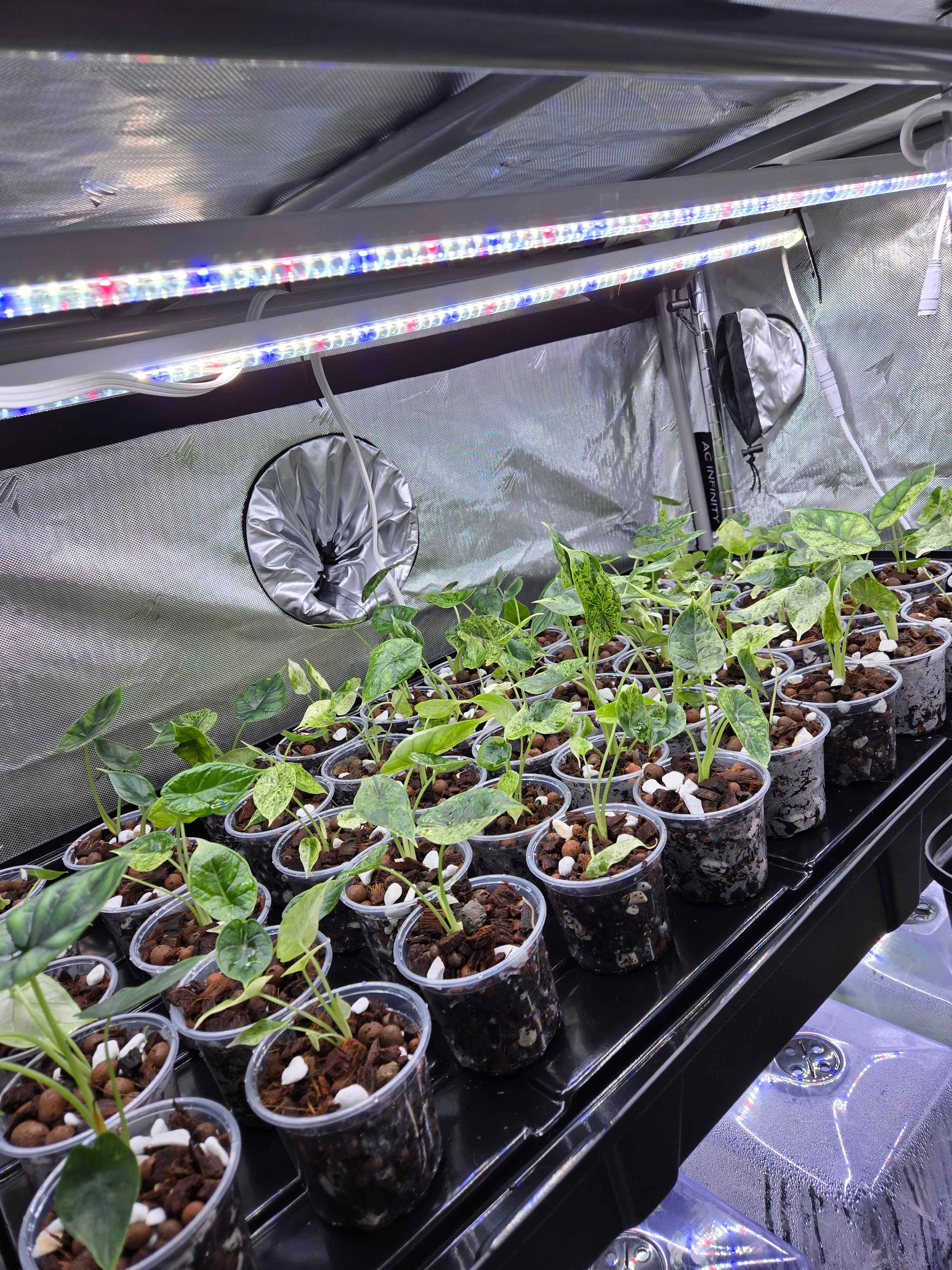
Ex vitro inventory, scheduling, and downstream handoffs still point back to the same lineage and action history.
Roadmap
The near-term roadmap starts with a stronger core operating system for tissue culture labs, then expands outward into downstream integrations and lab-specific AI tools.
Refine the core batch tracker, subculture workflow, media planning, and day-to-day operating surfaces with real lab feedback. Onboard 2-3 alpha testers.
Stabilize the system for a broader rollout with tighter onboarding, cleaner operational flows, and a more complete first production release.
Expand into more e-commerce platform integrations, then evaluate user feedback and implement the most requested features.
Use image analysis and operational context to flag likely contamination patterns and help technicians review issues earlier in the workflow.
Layer in specialized agents for planning, review, and operational assistance so the system can support decisions instead of only recording them.
Pricing
Standard keeps the focus on core lab operations with up to 3 total accounts and 200 active vessels. Pro adds commerce workflows, raises account capacity to 10, and removes the live inventory ceiling. Sign up annually and each tier drops to 50% off the monthly equivalent.
Every self-serve free trial starts with Standard access. Choosing Pro during signup sets the billing plan that Stripe starts after the trial unless you choose Buy now.
Core lab ops
$20/month
$120/year billed annually
$10/month effective with 50% off annual pricing
Core lab operations for smaller tissue culture teams that do not need built-in commerce tooling.
Commerce + scale
$50/month
$300/year billed annually
$25/month effective with 50% off annual pricing
Full Hoodflow operations for larger teams that need built-in commerce and more account capacity.
50% off annual
Sign up annually to lock in the lower rate for either tier. The annual total, effective monthly rate, and yearly savings are broken out below.
Standard
$120/year
Effective monthly
$10/month effective
Annual savings
$120/year
Pro
$300/year
Effective monthly
$25/month effective
Annual savings
$300/year
Need a dedicated environment, rollout support, or requirements beyond the self-serve Standard and Pro tiers?
FAQ
Plant tissue culture software gives a lab one operating system for batch records, shelf location, subculture timing, media planning, lineage traceability, and downstream handoffs. Hoodflow is built specifically for those constraints instead of acting like a generic plant tracker or greenhouse spreadsheet.
A generic plant tracker usually stops at simple collection records or greenhouse inventory. A tissue culture tracker has to preserve batch identity, vessel context, subculture timing, media demand, lineage history, and lab actions as material moves from initiation through acclimation and later handoffs.
Yes. Hoodflow is batch-first by default, supports optional unique vessel tracking, and keeps shelf location, vessel type, cultured dates, subculture actions, and follow-up timing in the same record so teams can work from a live tissue culture tracker instead of rebuilding the day from notes.
Plant tissue culture gets messy fast when inventory, transfers, media prep, shelf location, and contamination notes are spread across clipboards, spreadsheets, and memory. Hoodflow pulls that work into one operating system so the lab can keep traceability, reduce missed handoffs, and scale without losing control of what is living where, what needs attention next, and what changed along the way.
Hoodflow is being shaped inside our own plant tissue culture lab around the real constraints we deal with every day: vessel turnover, media prep, subculture timing, shelf context, traceability, and downstream handoffs.
We could not find a system that matched how our lab actually works. Most tools either treated the workflow like generic inventory or forced too much manual labeling and re-entry. Hoodflow is our attempt to make the tracking model fit the real workflow inside a flow hood.
The system is built so in vitro and ex vitro inventory can stay tied to batch, shelf, section, vessel type, dates, notes, and action history without forcing an individual label onto every jar. That keeps cleaning and autoclave turnover simpler while still allowing unique vessel tracking when the workflow needs more granularity.
Hoodflow tracks where batches live, how they change, and what happens next: add, remove, move, acclimate, sell, postpone, mark-subcultured actions, media demand, prepared-media inventory, and the record that carries forward as material leaves the vessel and moves through later stages.
No. The same record can extend into protocol references, lineage traceability, project tracking, pesticide scheduling with inline chemical safety PDFs, and e-commerce inventory handoffs, so downstream work keeps the same operational context. Direct Etsy OAuth and Squarespace API integrations support live listing creation, updates, and inventory sync.
Yes. Hoodflow is being actively shaped around our live lab workflow, which means product decisions come from actual operating problems rather than a hypothetical feature list.
Hoodflow is designed for plant tissue culture labs that need batch-first tracking, media planning, subculture workflow visibility, and downstream traceability without turning every jar into a separate admin burden.
Hoodflow is probably not the right fit for teams looking for a generic CRM, a simple plant collection tracker, or a lightweight greenhouse-only inventory tool.
Early access is mostly self-serve now. Choose a plan, reserve your lab subdomain, verify the owner email, and start a 14-day Standard trial without entering a card. If you already know you want paid access, you can go straight to checkout, and guided rollout is still available if you want a closer walkthrough.
Yes.
Visit our shopBecause the system only makes sense if you can see the operating assumptions behind it. We want labs to understand the workflow model before they spend time evaluating the product.